
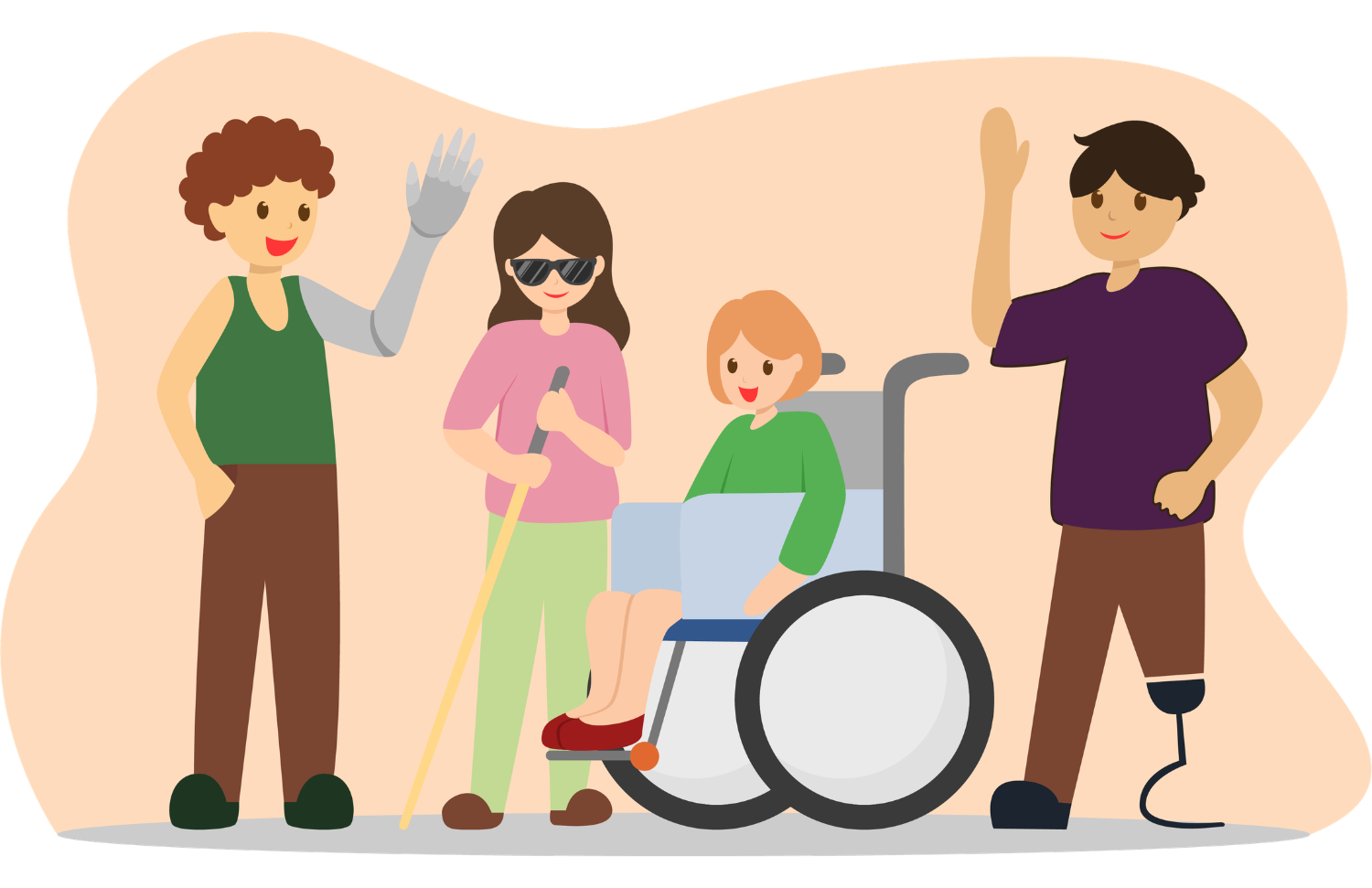
Over the past couple of months, digital accessibility has become a much bigger conversation inside FQHCs as health centers realized the May 11, 2026 Section 504 deadline was right around the corner.
For a lot of health centers, this issue had barely been on the radar until recently.
Since then, the deadline has been pushed back for most health centers (those with 15 employees or more) until next year. But the extension also revealed how many were not fully prepared for this yet.
In this article, we’ll touch on some of the biggest things FQHC leaders should understand right now — and why this conversation matters a lot more than many initially realized.
For a More In-Depth Conversation, Listen to the Podcast Episode About This Topic 🎧
Section 504 & ADA Compliance: What Every Health Center Leader Needs to Do Before the Deadline
In this episode of The Community Health Collective Podcast, Steve Weinman, Jill Steeley, and Jen Garces de Marcilla discuss what the recent Section 504 guidance and deadline extension actually mean for FQHCs.
The conversation covers digital accessibility requirements, legal and operational concerns, common misconceptions, patient experience implications, and practical first steps health centers should be thinking about now.
Why Digital Accessibility Is Bigger Than Just Website Compliance
One of the biggest misconceptions I’m seeing right now is the idea that digital accessibility is simply a website issue.
In reality, Section 504 accessibility requirements can affect a wide range of digital systems FQHCs use every day — including patient portals, online scheduling, PDFs, intake forms, videos, social media content, kiosks, and third-party tools connected to a website.
That’s part of why this issue has caught so many health centers off guard.
A lot of these systems were never originally designed with accessibility in mind, which means this often becomes a broader operational issue — not just a quick technical fix.
There’s also a growing legal component that many leaders are paying closer attention to now.
Health centers and businesses around the country are already facing lawsuits over inaccessible websites and digital systems, often from attorneys actively searching for accessibility issues.
Common Digital Accessibility Issues FQHCs Should Know About
One of the challenges with digital accessibility is that many issues are not immediately obvious unless someone specifically tests for them.
And in many cases, the problem areas are not where health centers expect.
Some of the most common issues include PDFs that screen readers cannot properly interpret, videos without captions, social media graphics that rely only on embedded text, keyboard navigation problems, and third-party tools with accessibility limitations.
Another common misconception is that accessibility overlays and widgets automatically make a website compliant.
In reality, many accessibility issues involve the underlying structure of the website or digital system itself — which means a widget alone is often not enough.
What FQHC Leaders Should Be Doing Right Now
The good news is that most health centers do not need to rebuild everything overnight.
But this is something leadership teams should start paying attention to now — especially because digital accessibility increasingly affects patient access, usability, and overall patient experience.
For most health centers, the best next step is simply starting the process.
That usually means identifying where the biggest accessibility barriers may exist, beginning accessibility reviews or audits, prioritizing the highest-impact issues first, documenting good faith efforts, and building accessibility into ongoing operational processes moving forward.
Because ultimately, this is not just a one-time website project.
Every new webpage, social media post, PDF, form, or vendor integration can potentially create new barriers if accessibility is not part of the process moving forward.
Free FQHC Digital Accessibility Resources
If you want a deeper dive into the recent Section 504 guidance, the deadline extension, common misconceptions, and what FQHC leaders should be thinking about next, we encourage you to listen to the full podcast episode.
👉 Listen to the full episode on Community Health Collective
We also created a free FQHC Digital Accessibility Toolkit to help health centers better understand what this means in practice.
The FQHC Digital Accessibility Toolkit includes:
A plain-English overview of what Section 504 and digital accessibility mean for FQHCs
Guidance on which digital tools, platforms, and systems may be affected
Common accessibility issues involving websites, PDFs, forms, videos, and online content
Practical improvements that can make the biggest impact
Why accessibility should be viewed as an ongoing process — not a one-time project
Common misconceptions about accessibility and “quick-fix” solutions
A practical framework for reviewing and improving accessibility over time
A sample accessibility statement your health center can adapt and use
Suggested next steps for leadership, marketing, IT, communications, and operations teams
👉 Download the free FQHC Digital Accessibility Toolkit
If you’d like help evaluating your health center’s digital accessibility risks, website usability, or overall patient experience strategy, FQHC Associates works with health centers across the country on these issues.
